Indoor air pollution, air quality in schools: SEARCH I & II Project
Italian Ministry of the Environment, Land and Sea Protection, ISPRA – Italian Institute for Environmental Protection and Research
The SEARCH Project
The SEARCH (School Environment and Respiratory Health of Children) project took place in two time phases (SEAR-CH I 2006-2009 and SEARCH II 2010-2013).
It was created at the initiative and with the support of the Italian Ministry of the Environment as part of the Environment and Health process of the European Region of the World Health Organization, whose institutional reference is the Conference of Ministers of Health and the Environment of the 53 countries of the European WHO region.
At the IV Conference (Budapest 2004), the Ministers signed the adoption of the European Plan of Action for the Environmental Health of Children (CEHAPE) and the commitment to implement initiatives related to priority risk factors, among which indoor air quality, a commitment confirmed also at the V Conference (Parma 2010).
SEARCH was created as a response to CEHAPE, providing a
A knowledge contribution on the environmental quality of a sample of schools, children’s health, the energy performance of school buildings and the comfort of pupils. In total, the SEARCH project involved 7800 children (aged 10 to 12), 388 classrooms in 100 schools in 10 participating countries. The SEARCH project ended in November 2013. The final results of the project are presented in the publication “Making School Healthy: meeting Environment and Health Challenges” by the REC.
Furthermore, the Italian SEARCH II project team has prepared a working document titled “Targeting indoor air quality in sustainable patterns“ on the role of sustainability policies in protecting indoor air quality. Both documents are available on the websites of ISPRA and REC, respectively at the links: http://www. isprambiente.gov.it/it/progetti/search and http://search.rec. org/
The study and evaluation activities of the SEARCH Project
The investigations took place during the winter period and concerned mainly environmental and micro-climatic studies: measurement of indoor and outdoor concentrations of priority pollutants (BTEX, formaldehyde, PM, NOx), CO2 and micro-climatic parameters (temperature and relative humidity) in the classrooms.
THE RESULTS OF THE SEARCH I - II PROJECT
Classroom overcrowding
Surveys in the partner countries found that the average space available per child is 2.02 m² (in Italy, the Ministerial Decree of 18/12/1975 sets an occupancy index of 1.81 m² per pupil for lower secondary schools). Overcrowding was also found to be linked both to particulate and CO2 concentrations in classrooms and to an increase in respiratory symptoms in children.
Pollutants – some facts
An association was found between the type of paint used on classroom walls and allergic symptoms, and between concentrations of volatile organic compounds (VOCs) and the reno-
vation of classrooms: VOC concentrations are significantly higher in classrooms renovated less than 2 years earlier. (IMPORTANT DATA FOR FORMALDEHYDE LEVELS)
A positive association was found between children's perception of “fresh air” and measured CO2 concentrations. On average, children consider the air sufficiently “fresh” at CO2 concentrations below 1525 ppm (the ASHRAE 62-1989 standard sets 1000 ppm as the optimal comfort value). The surveys also show that when the air is perceived as “bad” there is a higher risk of headaches than when it is perceived as “good” [OR=1.96 (CI 1.66-2.32)].
THE UMANA CHILDREN PROJECT: UMANA IN THE SCHOOLS.
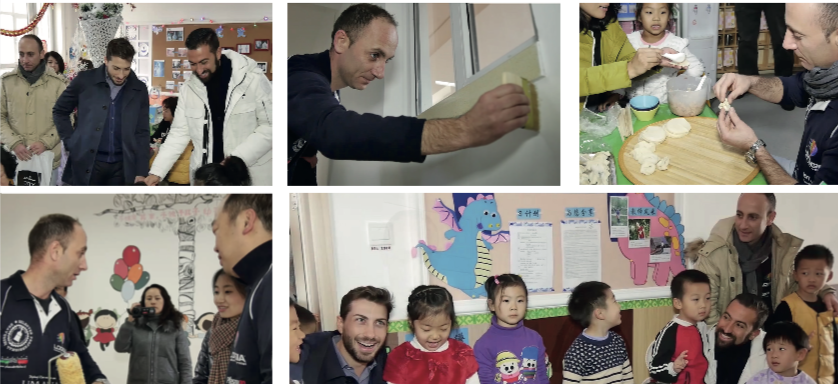
The UMANA CHILDREN project had its start in China, the awareness campaign on the problem of indoor pollution and the safeguarding of health in environments where children are at greater risk of being exposed to pollutants that are harmful to their health, with the intention of involving the children of preschool and elementary schools, sharing projects, stimulating curiosity and sanitizing the environment in which they spend their time.
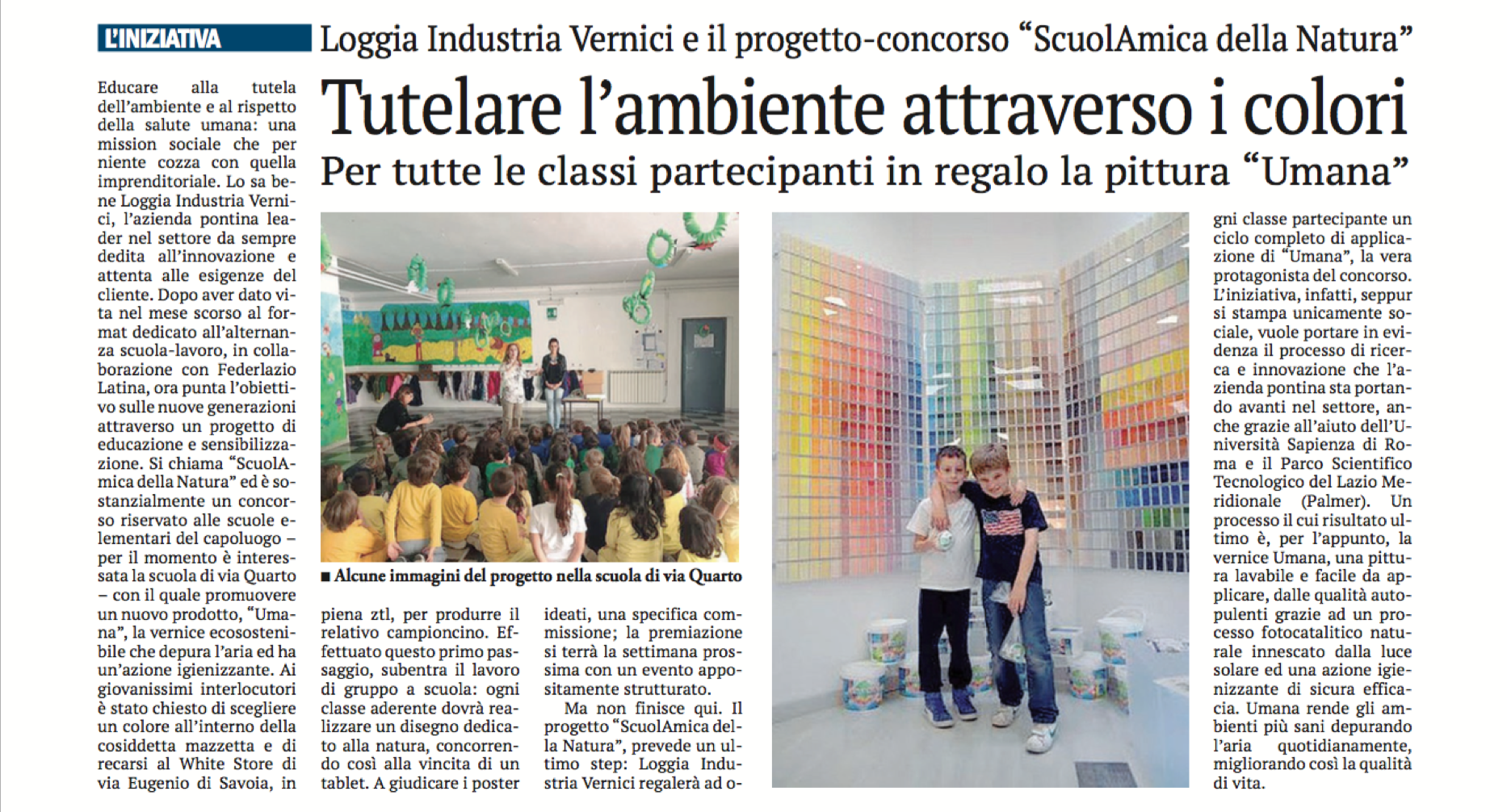
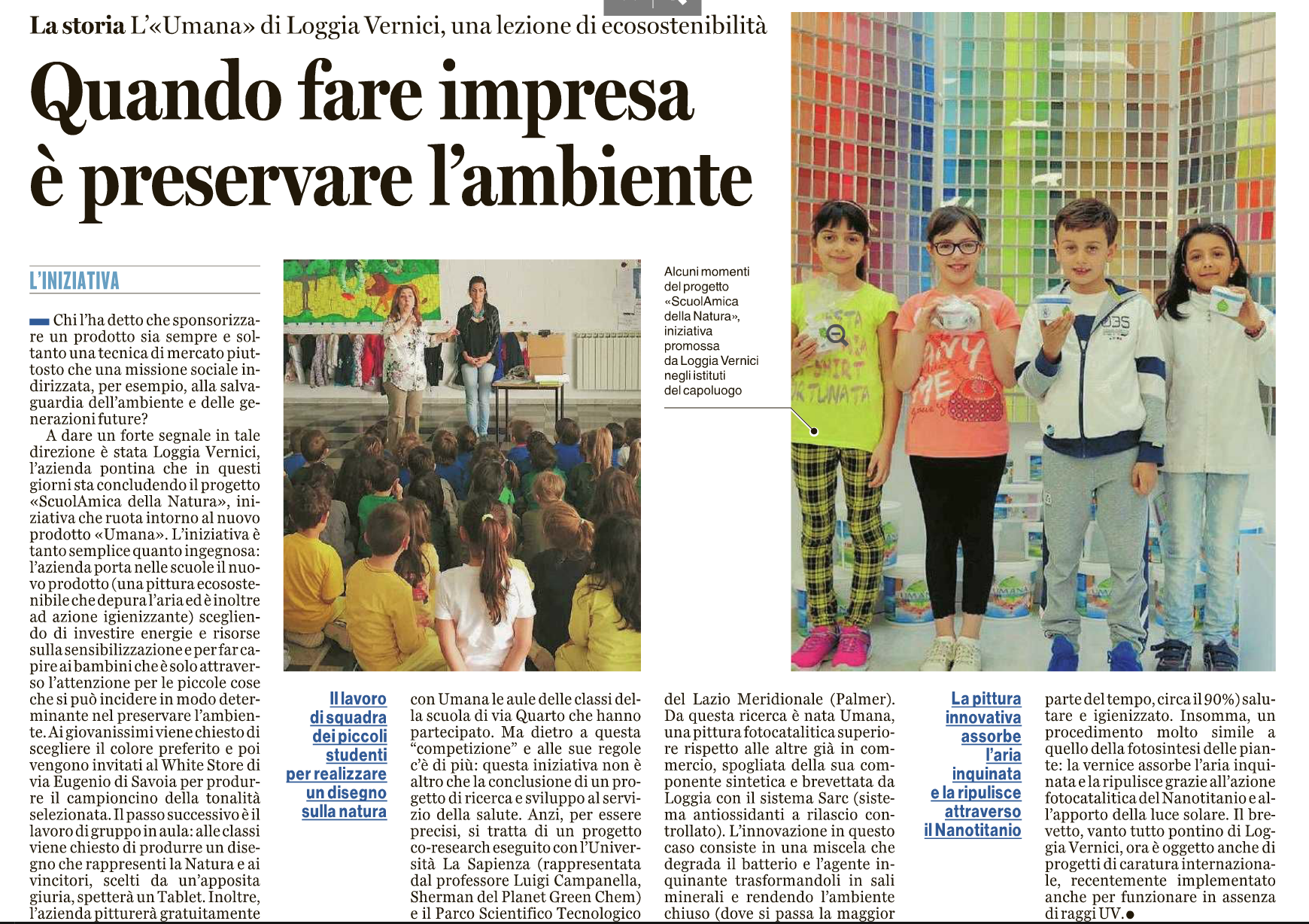
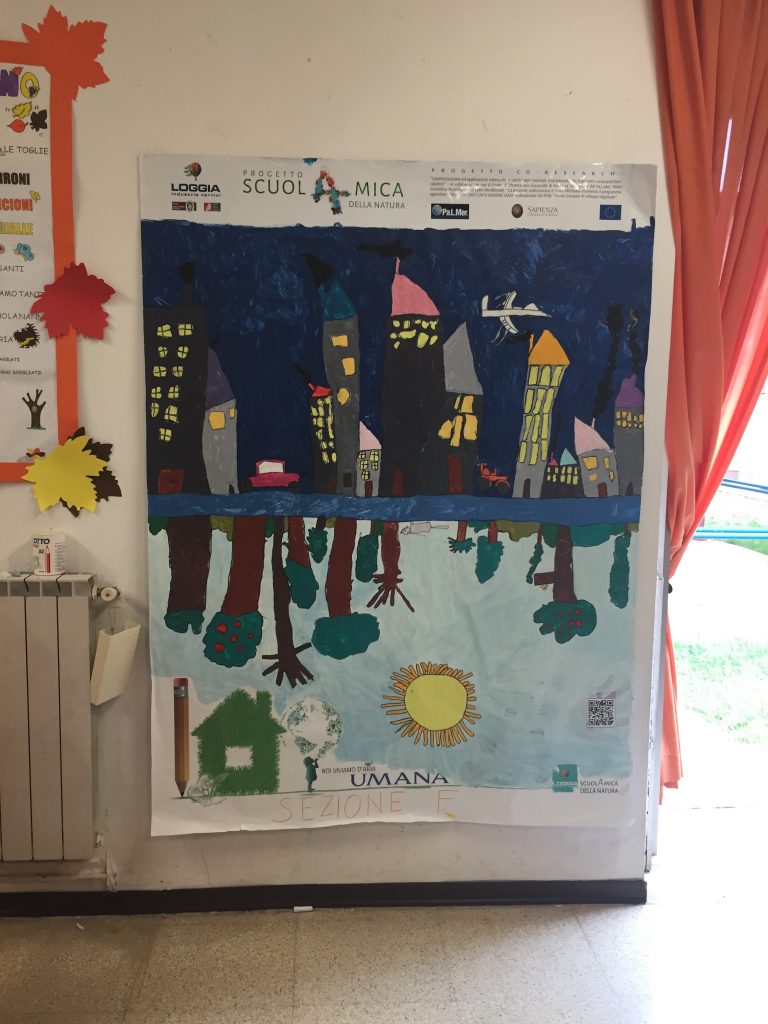
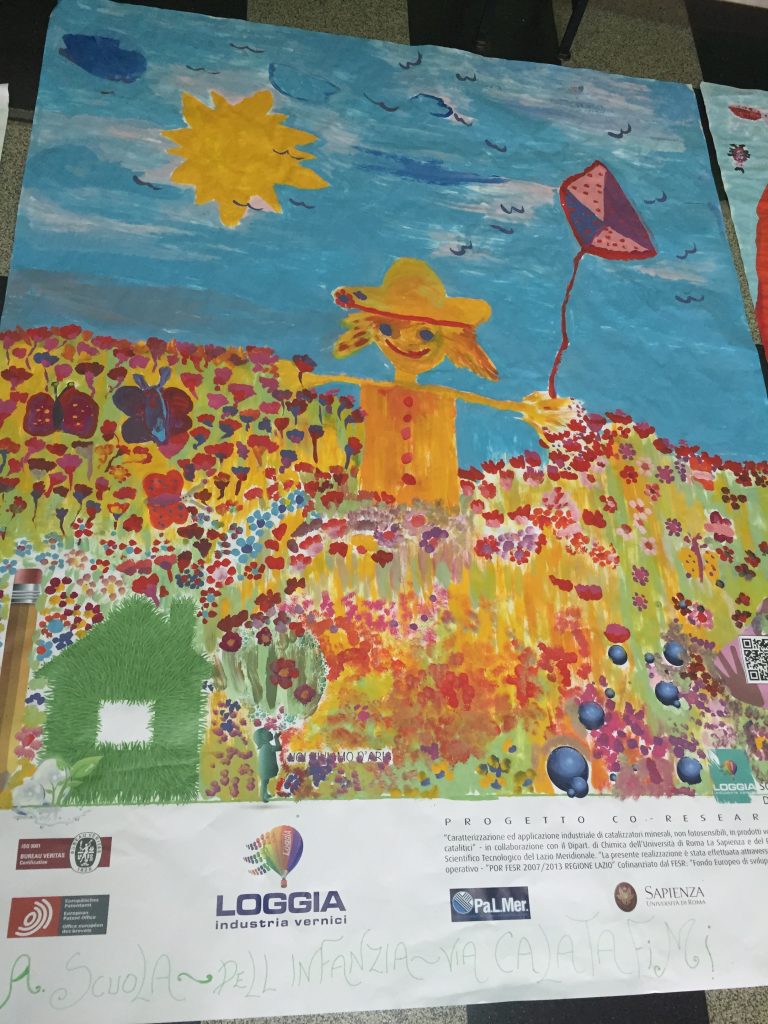
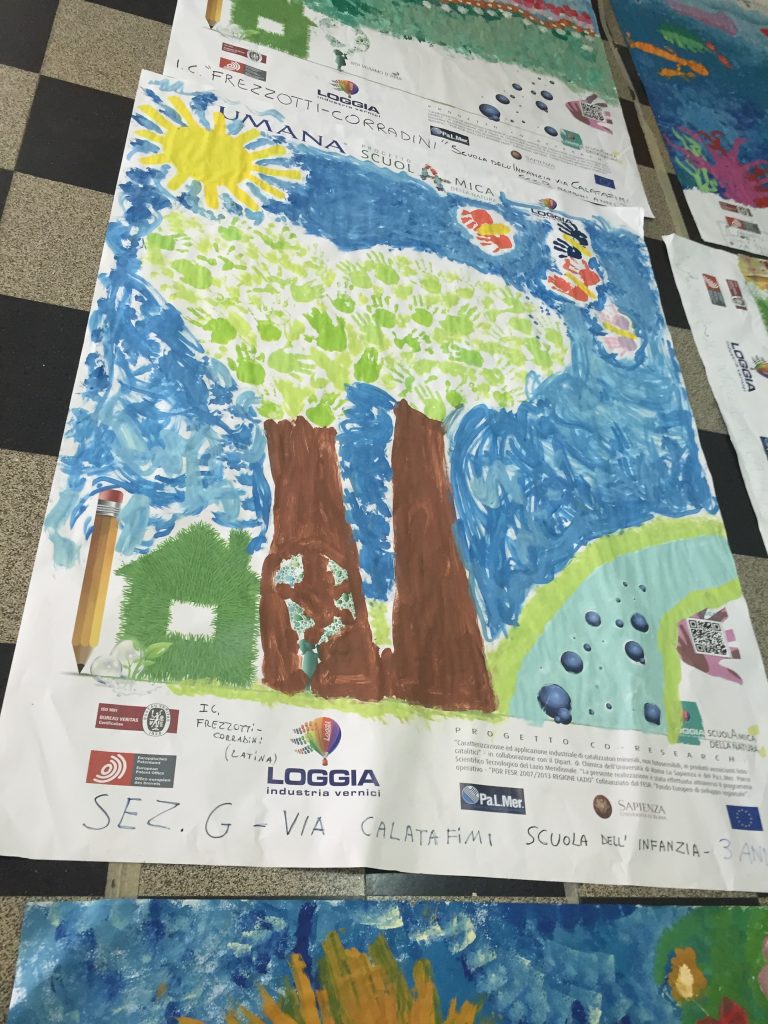
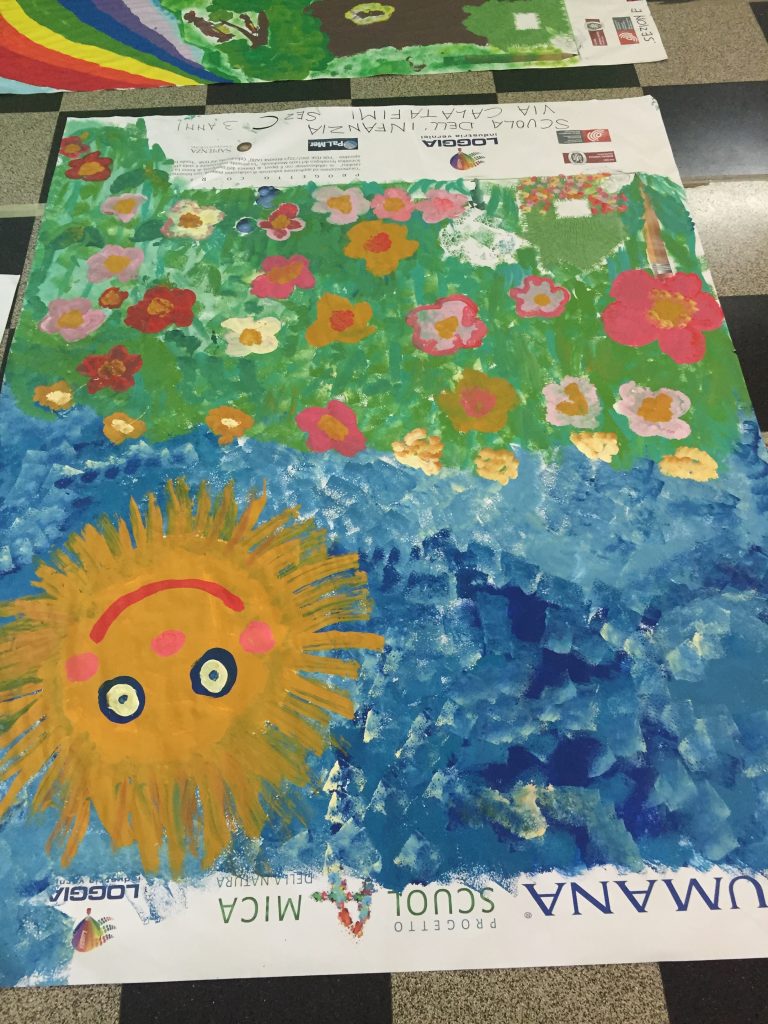
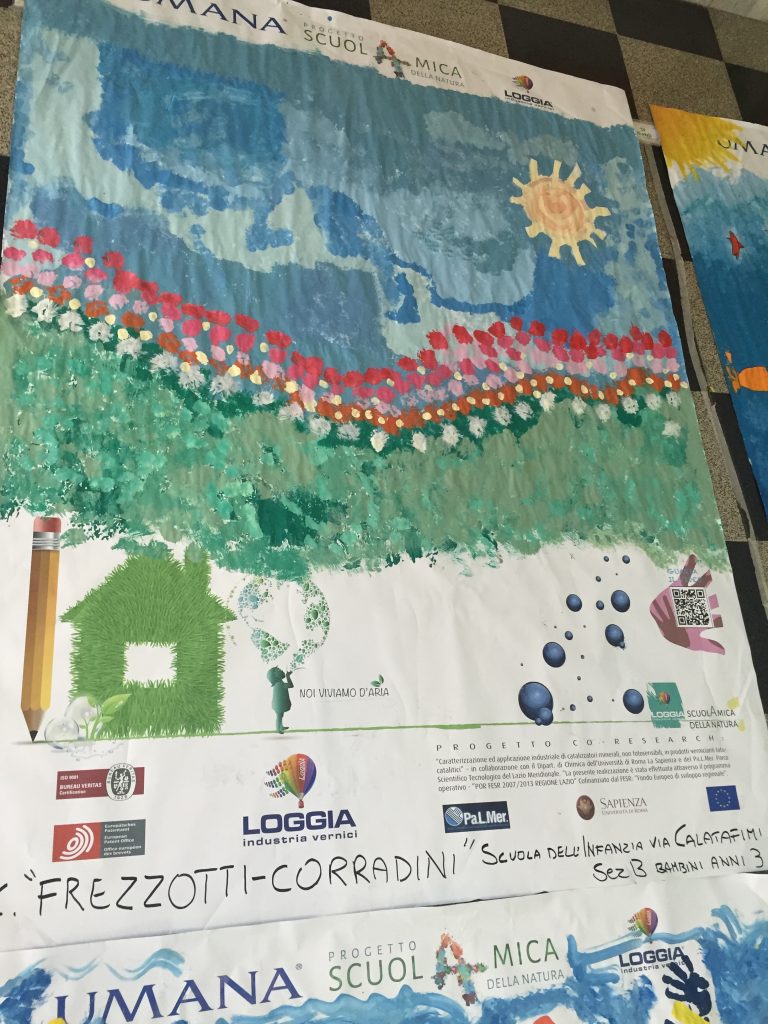
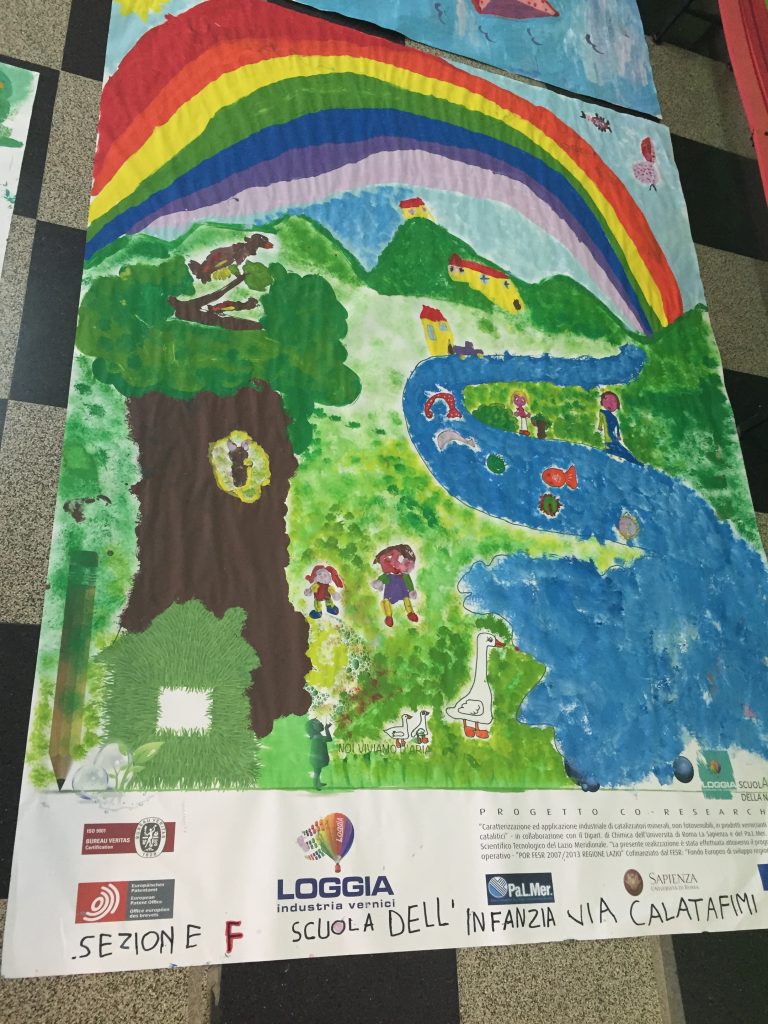
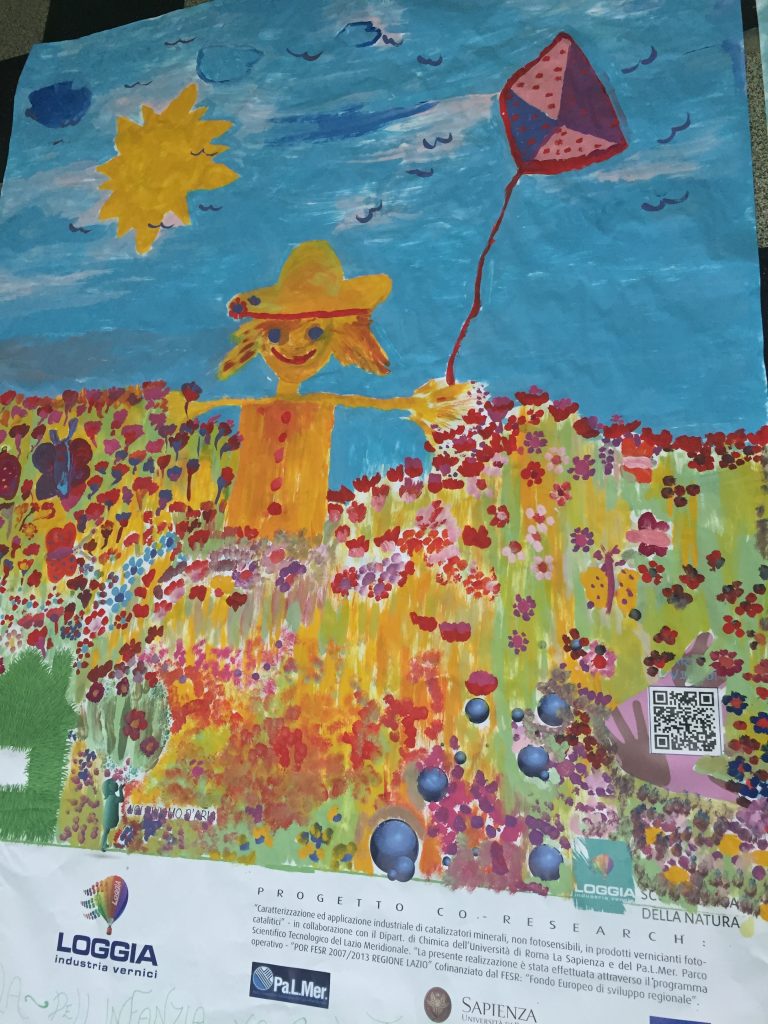
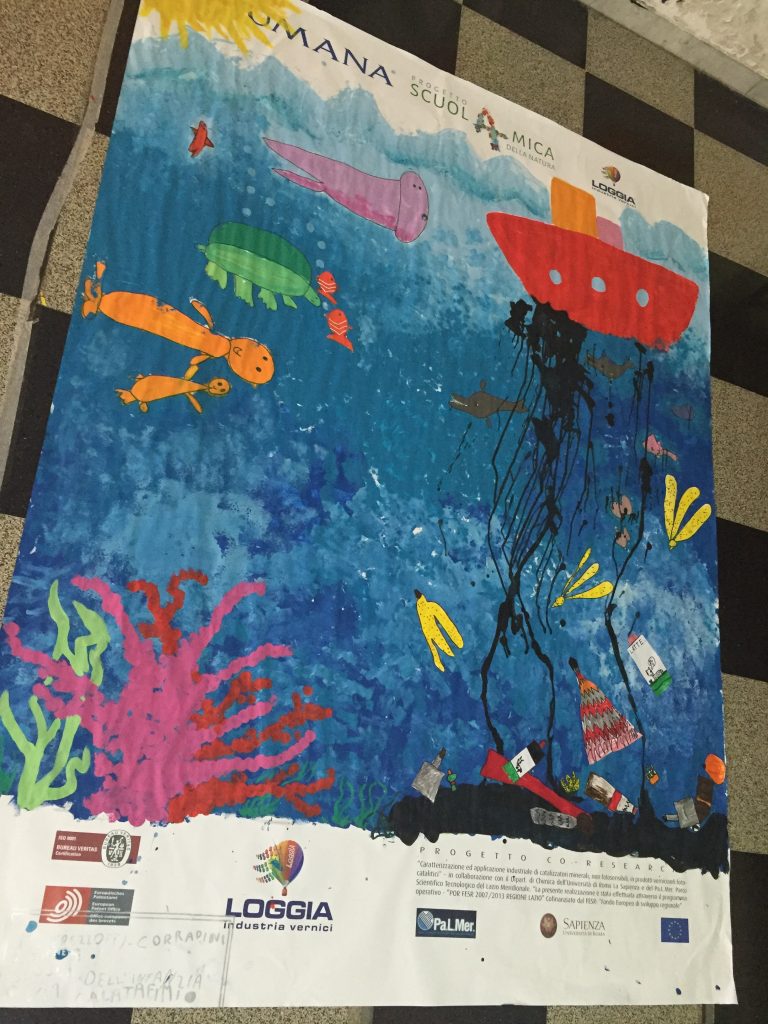
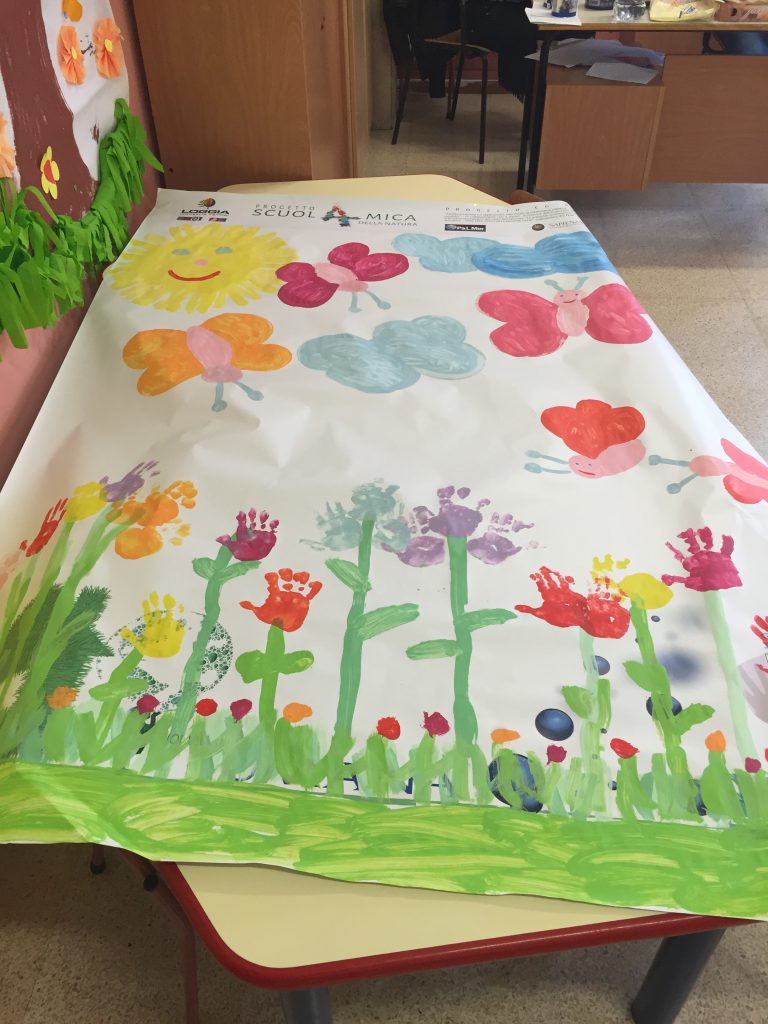
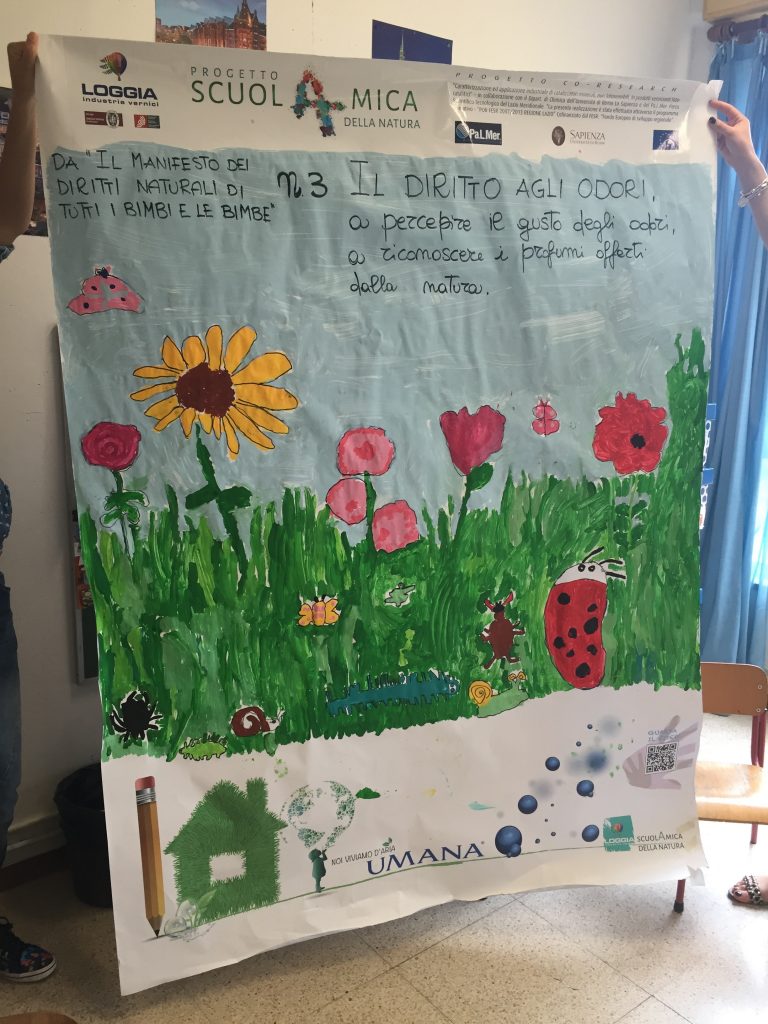
This wonderful experience gave rise to the project UMANA SCHOOL FRIEND OF NATURE, run by Loggia Industria Vernici: with Umana we went into primary schools and nurseries, where we tried to help improve the quality of the air we all breathe every day. The project involves children in creating a poster on the theme of nature, and its beauty lies in sharing and designing a common idea Nature is our friend and must be protected; we are nature.
Air is the vehicle through which pollutants move in the environment; it contains a large number of microorganisms that are harmful to human health and the healthy growth of children.
The ISTITUTO SUPERIORE DI SANITÀ (Italian National Institute of Health, I.S.S.) set up a national research commission of specialists and institutions to study indoor pollution, including La Sapienza.
UMANA turns SMOG and PAHs into simple mineral salt particles simply, effectively and safely.
THE PROJECT "UMANA SCHOOL AS A FRIEND OF NATURE" IS BORN
This is how the “ScuolAmica della natura” (Nature-Friendly School) project was born: an awareness campaign on indoor pollution and on protecting health in places where children are more likely to come into contact with harmful pollutants. The project was conceived and run by Loggia and will continue to be supported by every LOGGIA STORE and WHITE STORE, not only in Italy but abroad too (the first international project: UMANA CHILDREN IN CHINA).
Through which UMANA is donated to the school taking part in the project.
All this with a touch of creativity: the key ingredient is “letting your imagination run free”!
What they say about us
SOME OF THE WORKS CREATED BY THE PRE-SCHOOL AND ELEMENTARY SCHOOLS